
What Is a Swiftlet House?
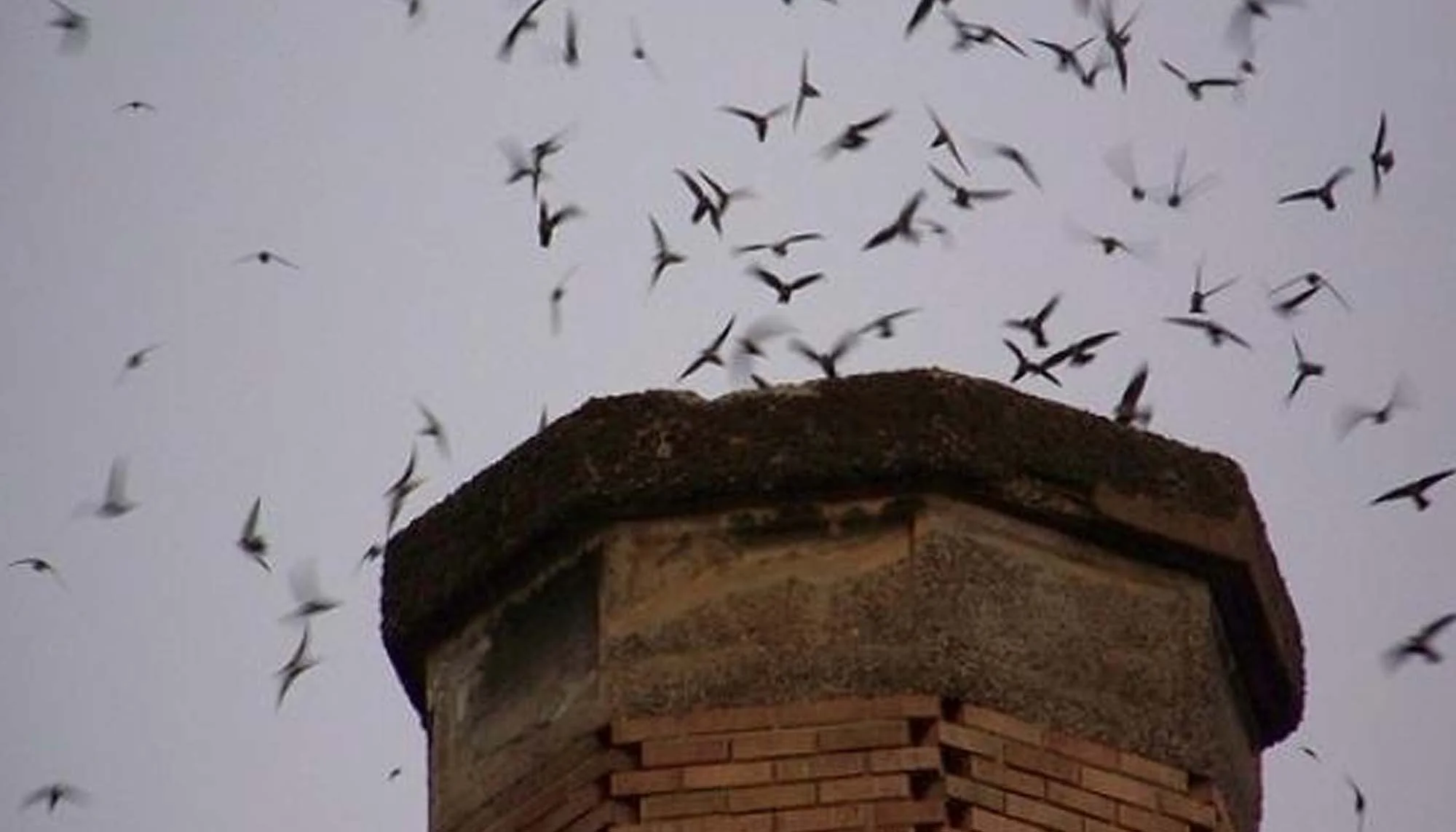
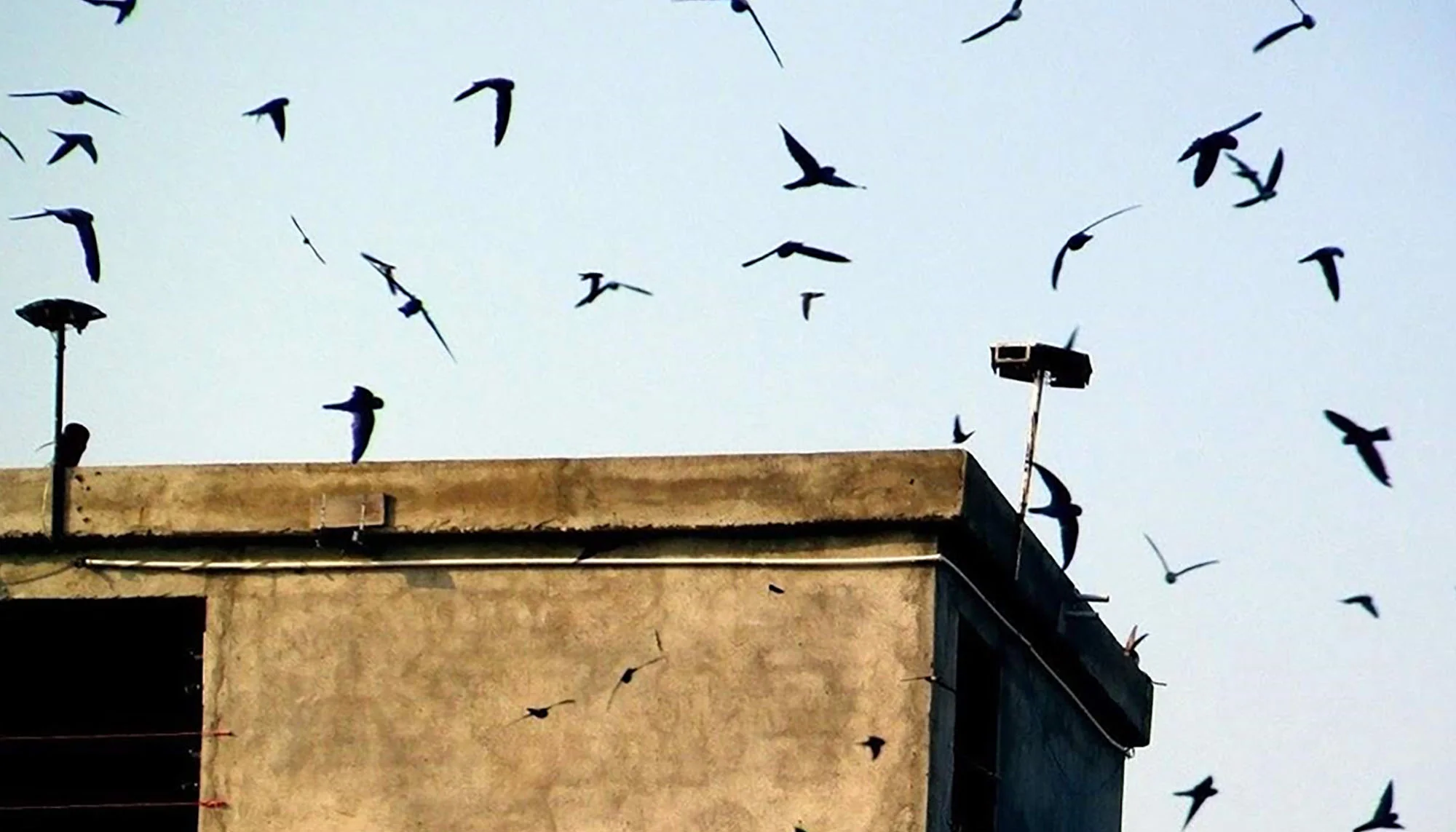
A swiftlet house is a man-made building designed to provide a nesting place for swiftlets. The concept is based on the natural behavior of swiftlets, which commonly live and breed in enclosed spaces such as caves, cliff crevices, or old buildings with specific microclimate conditions.
In practice, a swiftlet house does not function as a closed cage. Swiftlets remain free-living birds in nature and only use the building as a place to rest and build their nests.
Characteristics of Swiftlet Habitats
Various ornithological studies show that swiftlets have a strong preference for habitats with stable microclimate conditions. Their natural habitats generally have:
- High relative humidity
- Stable temperature
- Low light intensity
- Minimal external disturbance
Wildlife conservation institutions and researchers have noted that landscape changes and increasing human activity have contributed to the decline of natural swiftlet habitats. In this context, swiftlet houses can be seen as a man-made adaptation that attempts to replicate the natural environmental conditions preferred by swiftlets.
How a Swiftlet House Works
A swiftlet house works by creating an indoor environment that resembles the natural habitat of swiftlets. This principle forms the basis of swiftlet house management in various regions.
Temperature and Humidity Control
The temperature and humidity inside a swiftlet house are maintained to resemble the bird’s natural habitat. An environment that is too hot or too dry may discourage swiftlets from nesting.
Ventilation System
Ventilation in a swiftlet house helps regulate air circulation without disrupting temperature stability. Good ventilation also helps maintain air quality inside the building.
Swiftlet Entry Access
The entrance hole is designed according to the flying patterns of swiftlets. The position and size of this access point play an important role in helping swiftlets adapt to the swiftlet house.
Nest Formation
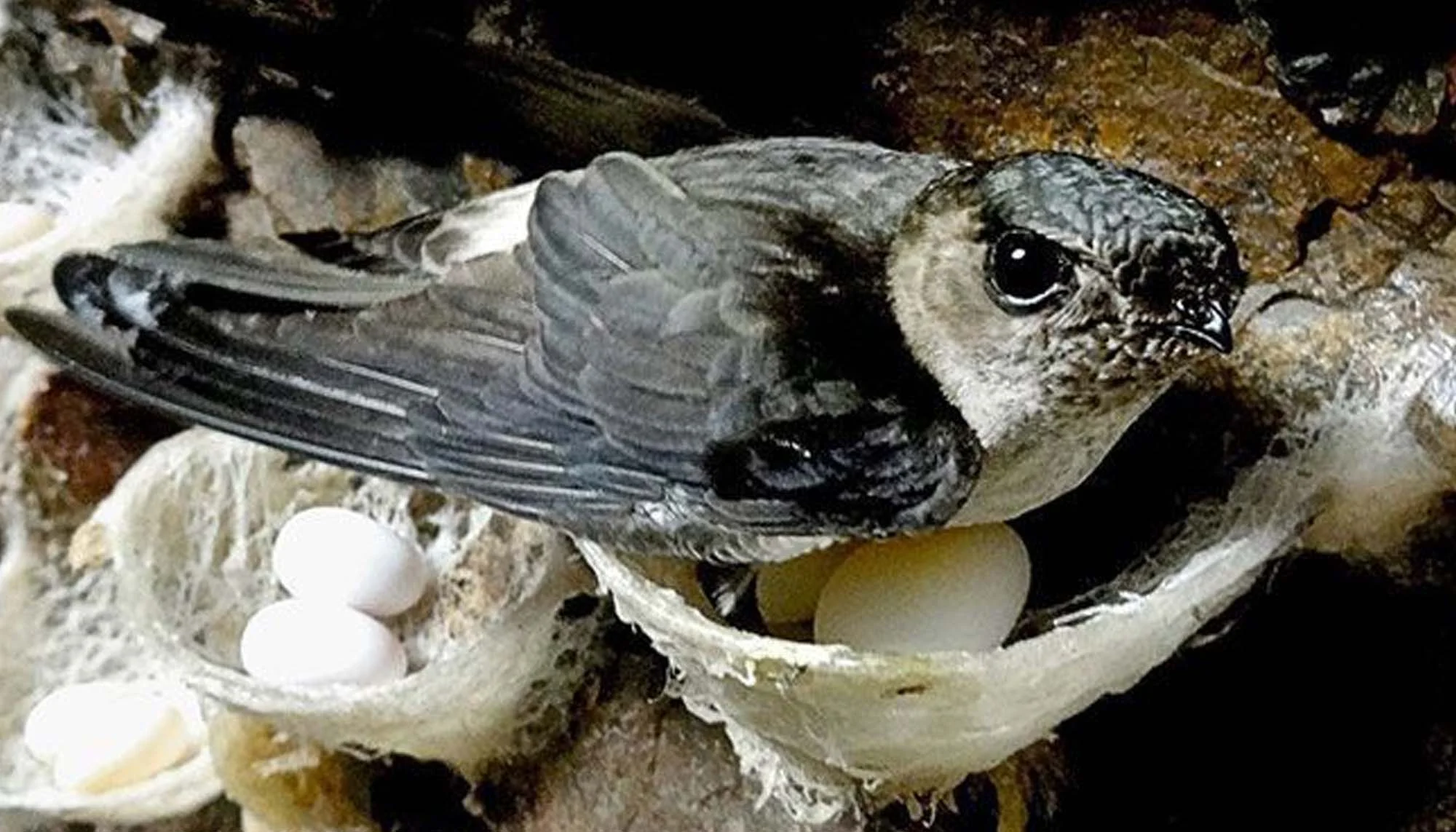
Once swiftlets feel safe, the nest-building process occurs naturally. Swiftlet nests are formed from the bird’s saliva, which dries and attaches to the surface of the building.
The Role of Swiftlet Houses for the Environment and Society
Beyond their economic value, swiftlet houses also have an ecological role. Swiftlets are known as natural insect eaters, and their presence can help control insect populations in the surrounding environment.
According to environmental observers, the presence of swiftlets in an area can also serve as an indicator of air quality, as swiftlets are sensitive to pollution and habitat changes. However, the management of swiftlet houses still needs to consider social aspects to avoid causing disturbances to nearby communities.
Conclusion
A swiftlet house is a form of human-made adaptation that makes use of the natural behavior of swiftlets without altering their life cycle. By understanding what a swiftlet house is and how it works, the public can view this phenomenon more objectively and based on knowledge.