
Swiftlet Nests as a Natural Product of Bird Behavior
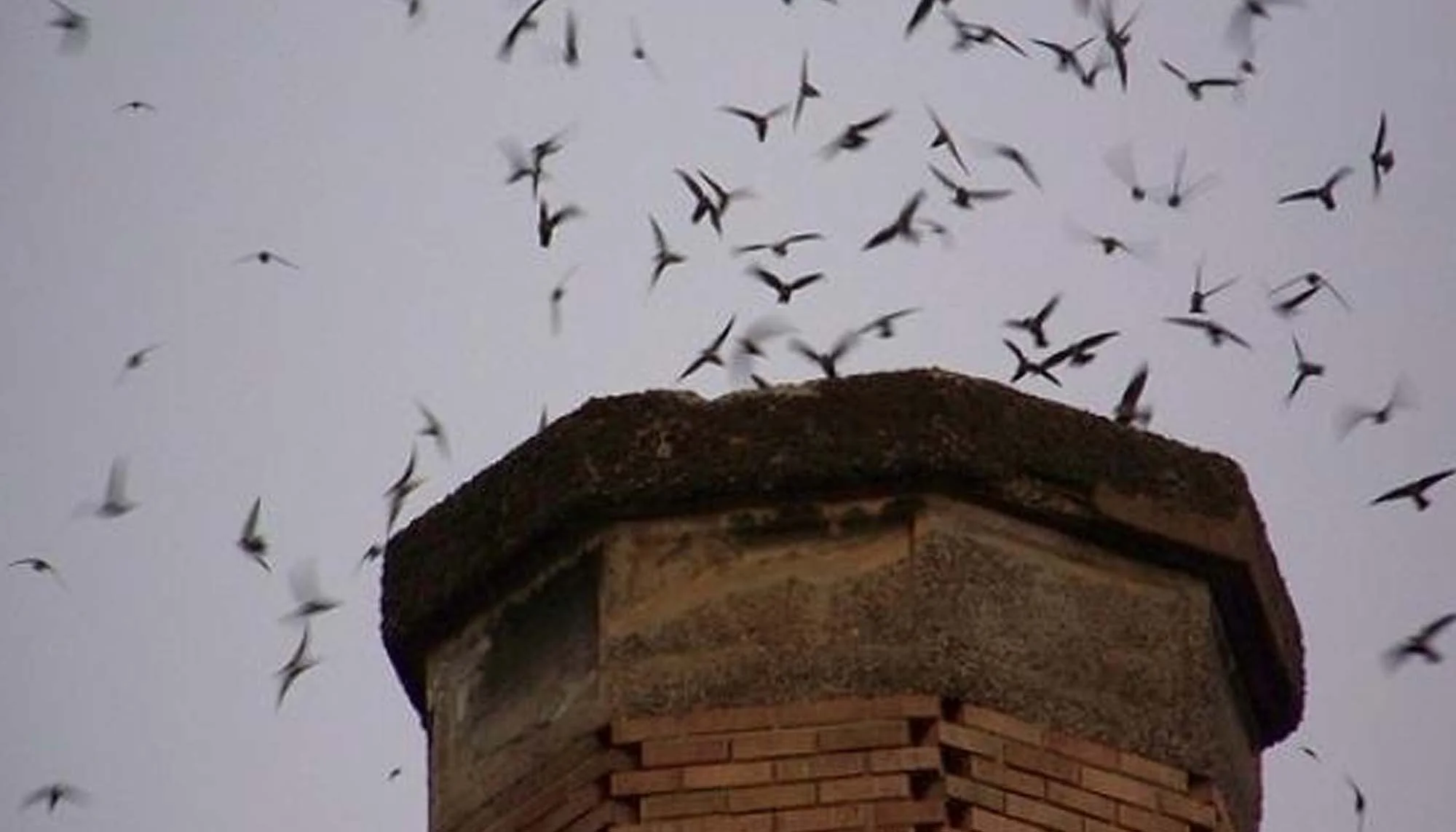
Swiftlet nests are known as the result of the unique biological behavior of swiftlets. Understanding how swiftlet nests are formed naturally is important in order to view them not merely as a commodity, but as part of the swiftlet’s own life cycle.
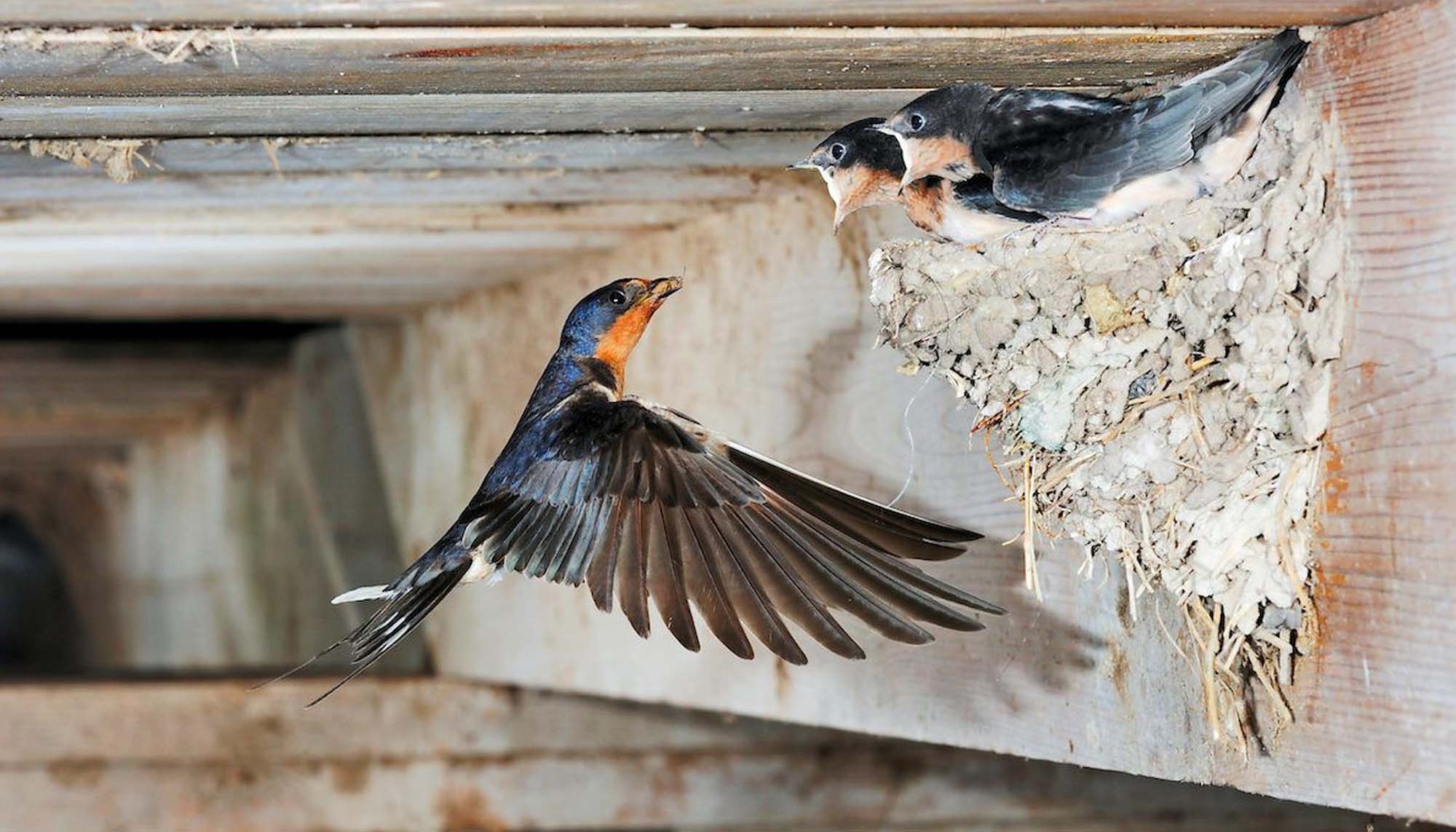
In their natural habitat, swiftlet nests function as a place for reproduction and help protect eggs and chicks from environmental disturbances.
The Biological Process of Swiftlet Nest Formation
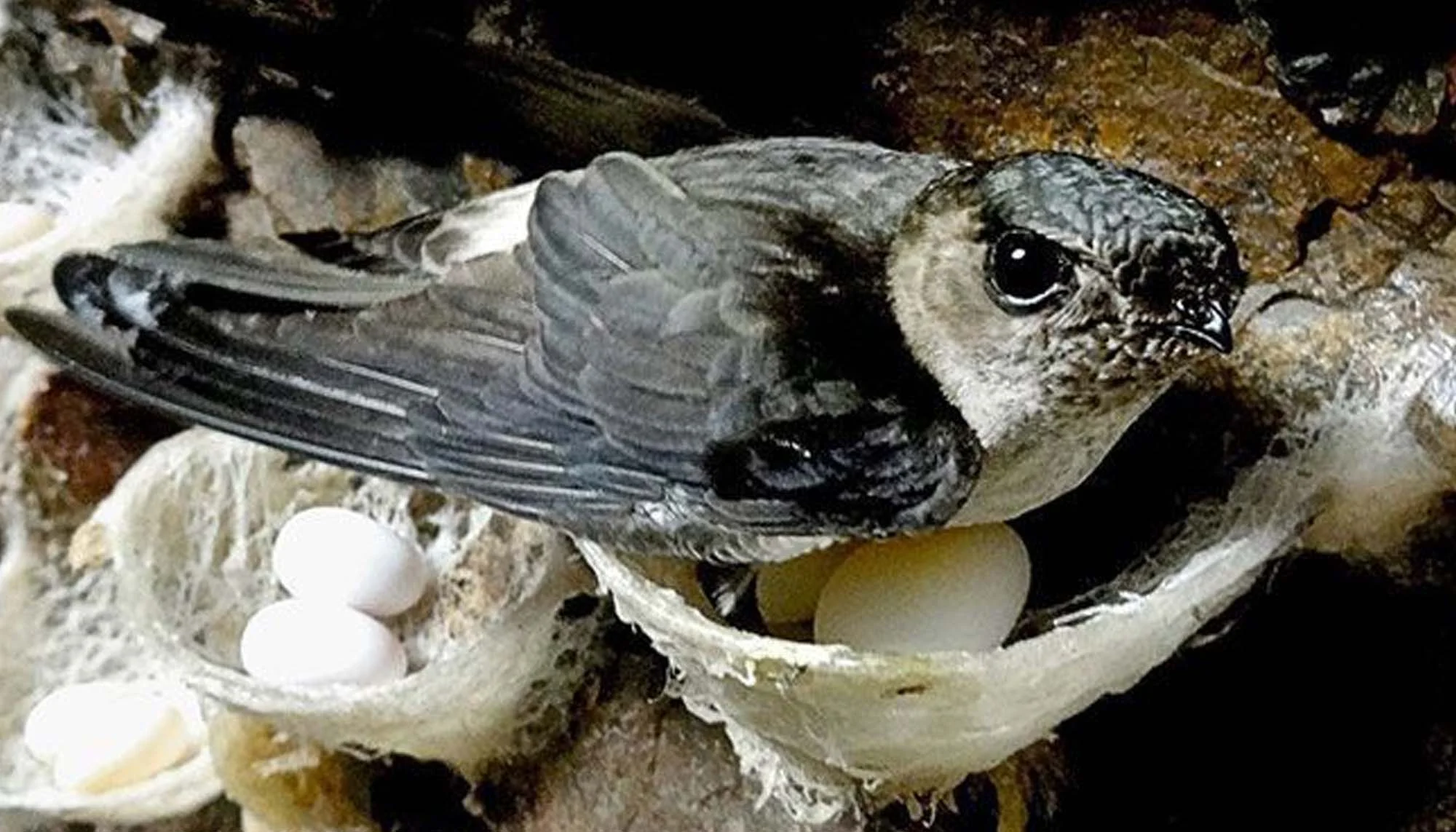
Scientifically, how swiftlet nests are formed naturally is closely related to the production of swiftlet saliva. Research explains that the salivary glands of swiftlets produce a high-protein fluid that hardens when exposed to air.
This fluid is gradually arranged by the swiftlet on vertical surfaces, forming a strong nest structure capable of supporting eggs and chicks.
Environmental Factors in Nest Formation
The environment plays an important role in determining the success of this process. Studies show that how swiftlet nests are formed naturally is influenced by temperature, humidity, and the level of disturbance.
Research notes that high humidity helps the swiftlet saliva dry optimally without damaging the structure of the nest.
Time and Stages of Nest Formation
The formation of a swiftlet nest takes place gradually and requires time. Studies suggest that swiftlets need several weeks to complete one nest, depending on environmental conditions and energy availability.
This stage is an important part of how swiftlet nests are formed naturally and also influences the success of the next reproductive phase.
Conservation Perspective on Swiftlet Nests
Bird conservation organizations in Southeast Asia emphasize that swiftlet nests are an integral part of the swiftlet life cycle. Understanding how swiftlet nests are formed naturally serves as a basis for sustainable management practices, especially regarding harvest timing and the protection of swiftlet populations.
From a conservation perspective, swiftlet nests are viewed as biological elements, not merely economic products.
Ornithology Expert Perspective
Ornithology experts state that swiftlet nest formation is an instinctive behavior that is sensitive to disturbance. Excessive intervention, whether in natural habitats or in swiftlet houses, may disrupt this process.
For this reason, the management of swiftlet houses should ideally adapt to the biological needs of swiftlets, rather than the other way around.
Conclusion
How swiftlet nests are formed naturally is the result of interaction between the biological processes of swiftlets and the surrounding environmental conditions. Swiftlet saliva, environmental factors, and the time required for nest formation are the main elements in this process.
A science-based understanding is needed to ensure that the management and use of swiftlet nests remain aligned with the sustainability of swiftlet populations.