
Environment as a Determining Factor in Swiftlet Nesting Behavior
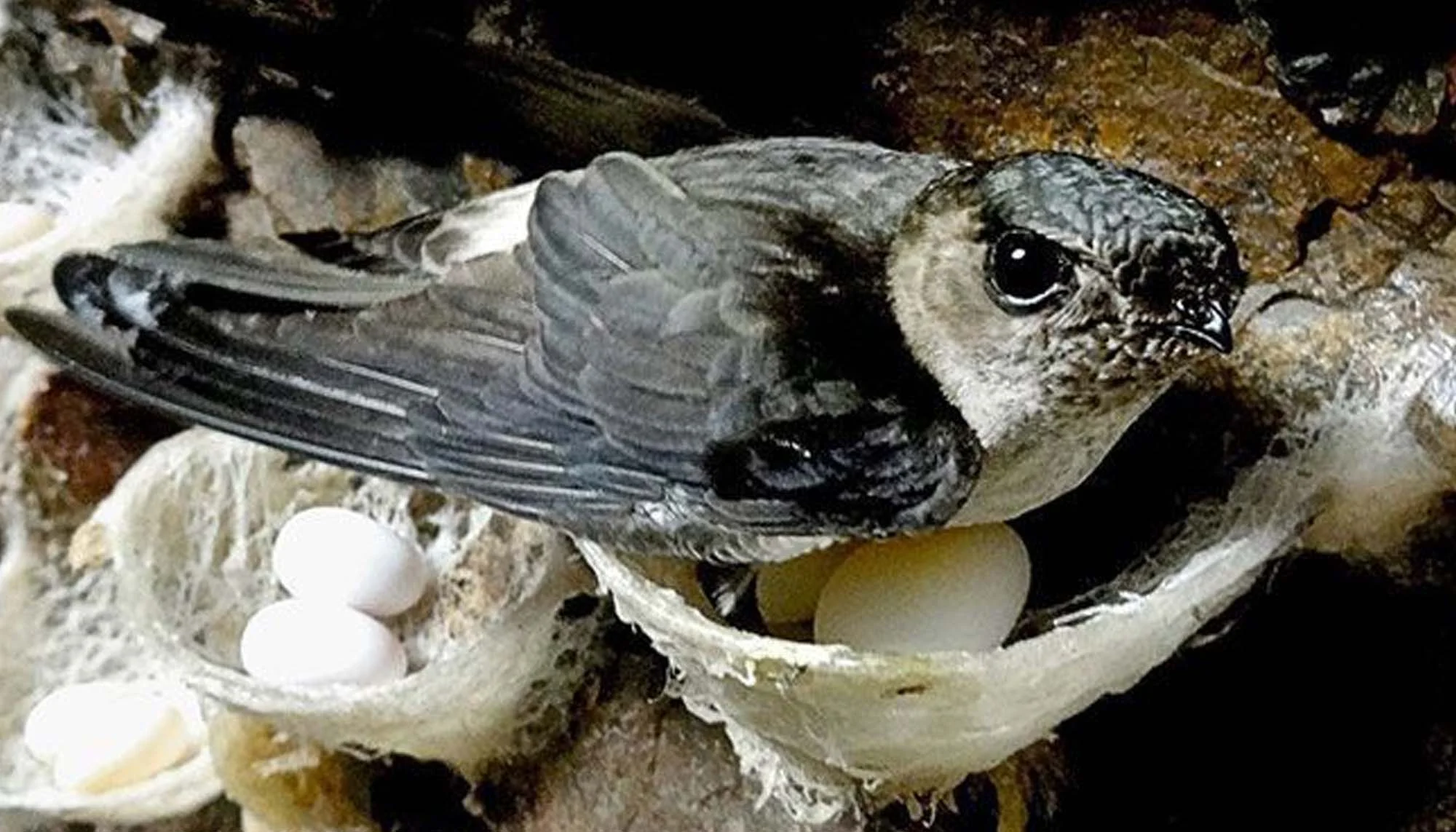
Swiftlets are known as highly selective birds when choosing nesting sites. Various studies show that environmental factors that make swiftlets comfortable nesting have a direct influence on reproductive success and population sustainability.
Both in natural habitats and in swiftlet houses, microclimate conditions are among the main factors that influence whether swiftlets choose to stay and breed.
Temperature and Humidity as Key Factors
One of the main environmental factors that make swiftlets comfortable nesting is stable temperature and humidity. Studies note that swiftlets tend to choose locations with temperatures ranging from 26–29°C and relatively high humidity.
These conditions support the adhesion of swiftlet nests while also helping maintain the comfort of eggs and chicks during the incubation and rearing periods.
Light Intensity and Disturbance Levels
Low-light environments with minimal disturbance are also important factors that make swiftlets comfortable nesting. In nature, swiftlets commonly nest in dark caves that are protected from human activity and predators.
Research published in the Journal of Ornithology states that excessive light exposure and noise can trigger stress in swiftlets, increasing the risk of nest abandonment.
Food Availability Around the Habitat
The availability of flying insects is another important external factor. In bird ecology studies, environmental factors that make swiftlets comfortable nesting are also linked to the quality of the ecosystem surrounding their habitat.
Reports from bird conservation organizations in Southeast Asia show that areas with high insect diversity tend to have more stable swiftlet occupancy compared to areas affected by air pollution or environmental degradation.
Environmental Adaptation in Man-Made Houses
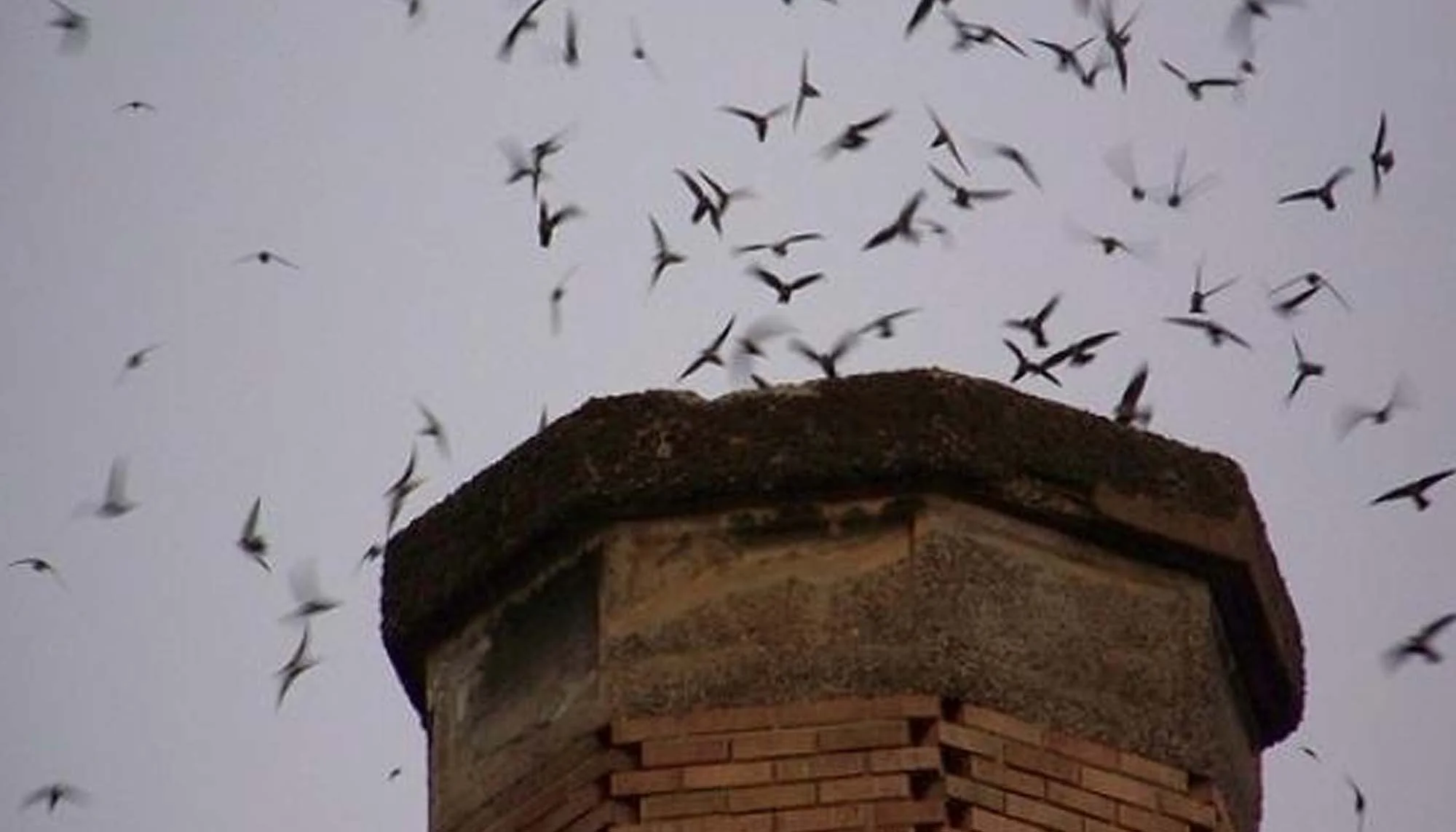
In swiftlet houses, replicating natural conditions is a commonly used approach. Research explains that swiftlets can adapt to man-made buildings as long as key environmental factors such as temperature, humidity, and low disturbance are consistently maintained.
However, researchers also emphasize that excessive human intervention may disrupt the natural behavior of swiftlets.
Environmental Expert Perspectives
Ornithology experts state that successful swiftlet nesting is not determined solely by building structure, but by the overall quality of the environment. Ecosystem imbalance, such as declining insect populations or increasing pollution, may affect the long-term sustainability of swiftlet occupancy.
This perspective places environmental management as an important aspect in maintaining a balanced relationship between human activity and swiftlet life.
Conclusion
The environmental factors that make swiftlets comfortable nesting are a combination of microhabitat conditions and the quality of the surrounding ecosystem. Temperature, humidity, lighting, minimal disturbance, and food availability are the main elements that influence swiftlet behavior.
A science-based and conservation-oriented approach is needed to ensure that swiftlet adaptation to man-made environments remains sustainable and balanced.