
Swiftlet Houses in Public Perception
The presence of swiftlet houses in various regions is often accompanied by different public views. Much of the information circulating in communities comes in the form of assumptions, inherited stories, or informal beliefs. For this reason, discussing the myths and facts about swiftlet houses is important to provide a better understanding based on data and scientific knowledge.
In this context, a swiftlet house should not only be seen as a business-related building, but also as part of the interaction between humans and wildlife.
Myth: Swiftlet Houses Always Damage the Surrounding Environment
One common myth is the belief that swiftlet houses always have a negative impact on the environment. From an ecological perspective, this impact is not absolute. Research on swiftlets shows that environmental disturbances are more often caused by improper management rather than by the presence of swiftlets themselves.
Therefore, in discussing the myths and facts about swiftlet houses, it is important to distinguish between the impact of human activity and the natural behavior of swiftlets.
Fact: Swiftlets Have Specific Living Patterns
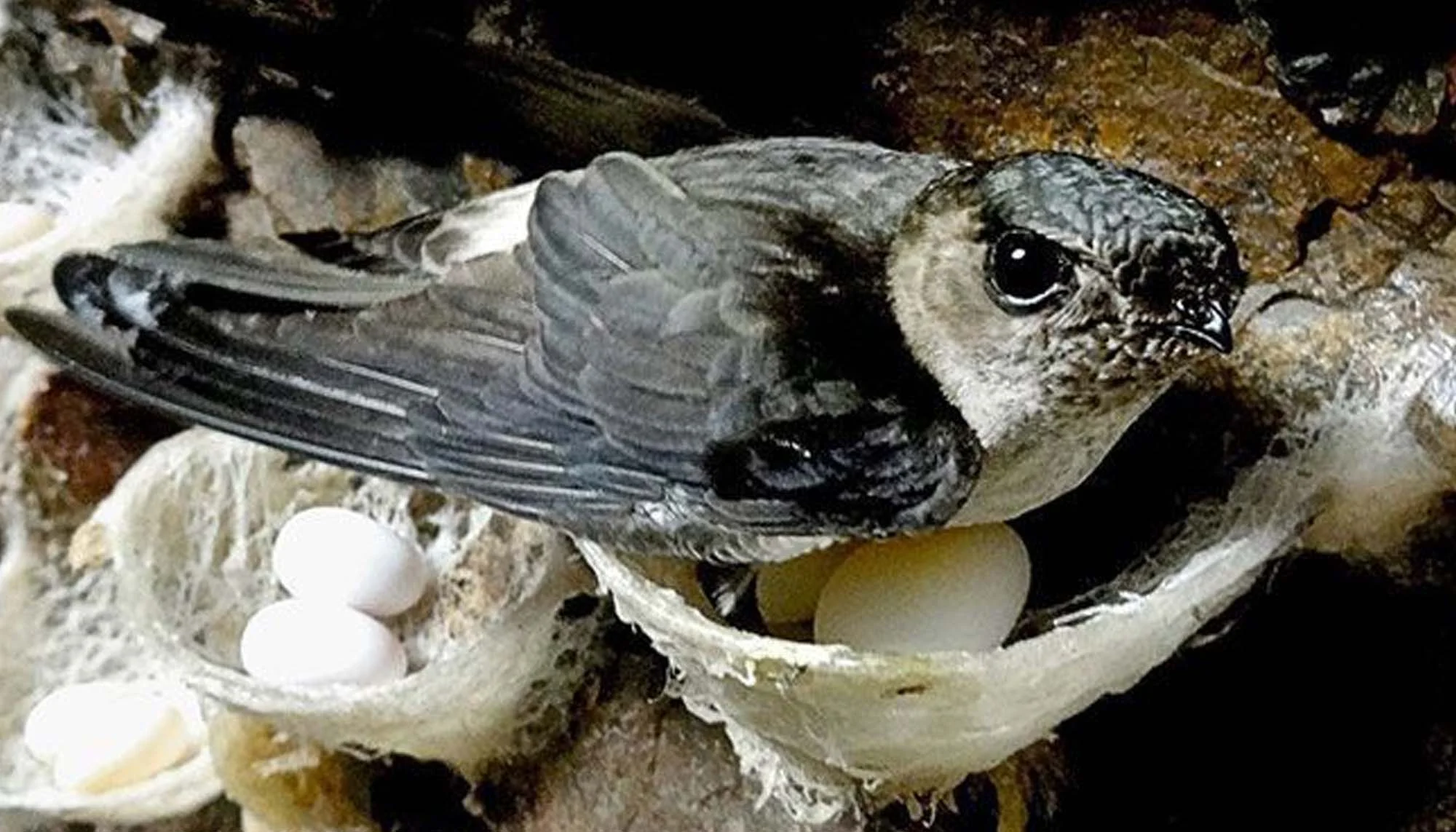
Scientific findings show that swiftlets have living patterns that are strongly influenced by microclimate conditions. Studies note that swiftlets choose nesting locations with stable temperature, suitable humidity, and minimal disturbance.
This finding reinforces the understanding that swiftlet houses are designed to resemble the natural habitat of swiftlets, not to change their basic behavior.
Myth: Swiftlet Nests Are Harvested Without Considering Sustainability
Another issue in the discussion of myths and facts about swiftlet houses is the assumption that harvesting swiftlet nests always harms bird populations. Research shows that swiftlets are capable of rebuilding their nests within a reproductive cycle, as long as harvesting is carried out with attention to timing and the biological condition of the birds.
This highlights that sustainability depends greatly on responsible management practices.
Fact: Swiftlet Houses Are Part of Habitat Adaptation
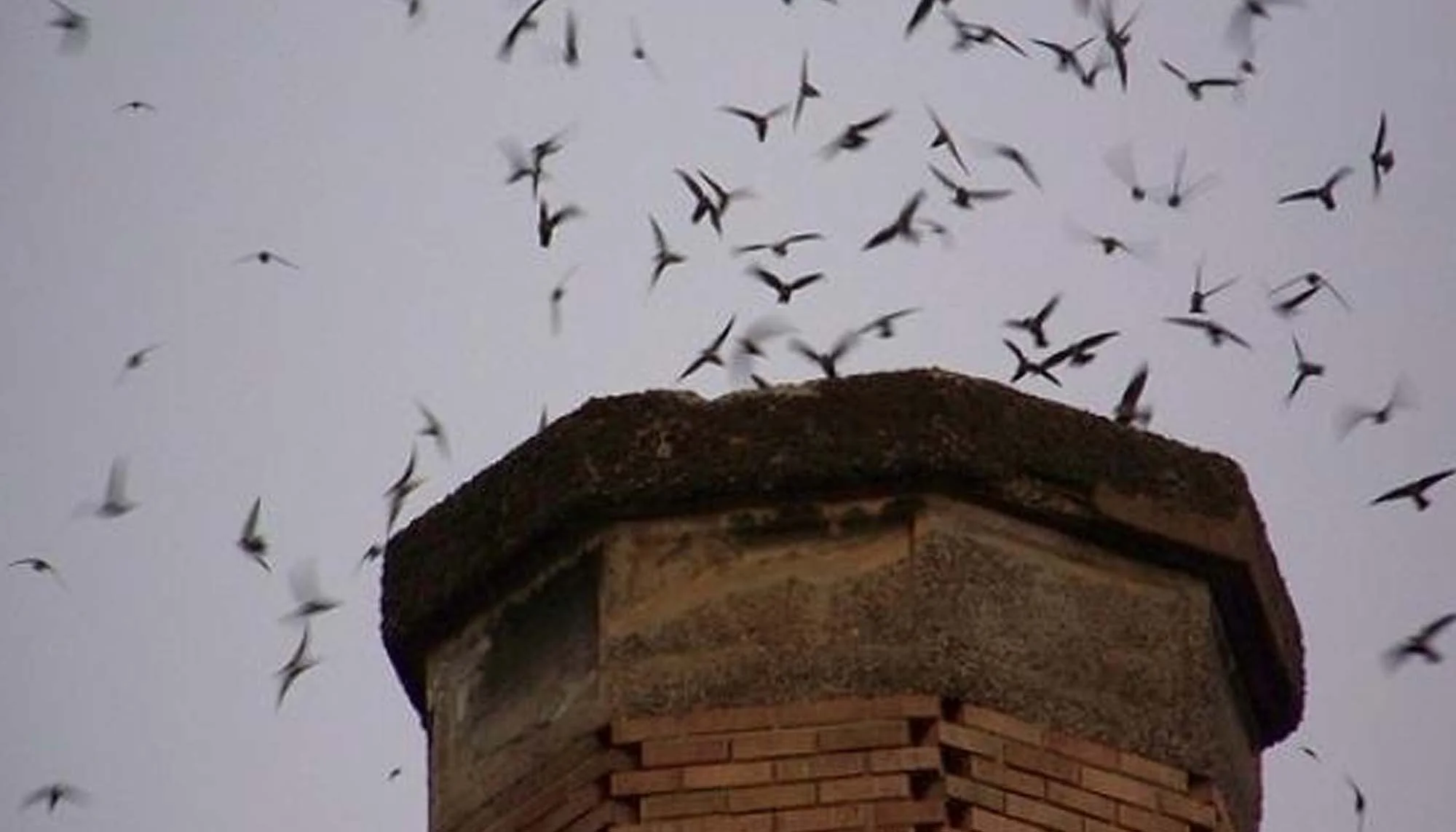
Reports from bird conservation organizations in Southeast Asia note that the decline of natural caves has encouraged swiftlets to adapt to man-made buildings. In this context, swiftlet houses can be seen as one form of bird adaptation to changing landscapes, as long as they do not disrupt ecosystem balance.
This perspective is often used as a reference in conservation-based discussions about the myths and facts of swiftlet houses.
Ornithology Expert Perspectives
Ornithology experts emphasize that myths surrounding swiftlet houses often arise due to limited public access to scientific information. According to bird ecology studies, responsibly managed swiftlet houses tend not to cause significant negative impacts on the surrounding environment.
However, experts also warn that practices that ignore ecological aspects may trigger social and environmental conflict.
Conclusion
The myths and facts about swiftlet houses need to be understood in a balanced way. Not every assumption circulating in society is supported by scientific data. Facts show that swiftlets have specific living patterns and are capable of adapting to man-made environments, as long as environmental conditions are maintained and management is carried out wisely.
A science-based approach is key to understanding swiftlet houses more objectively.