
Swiftlets and Their Natural Way of Life
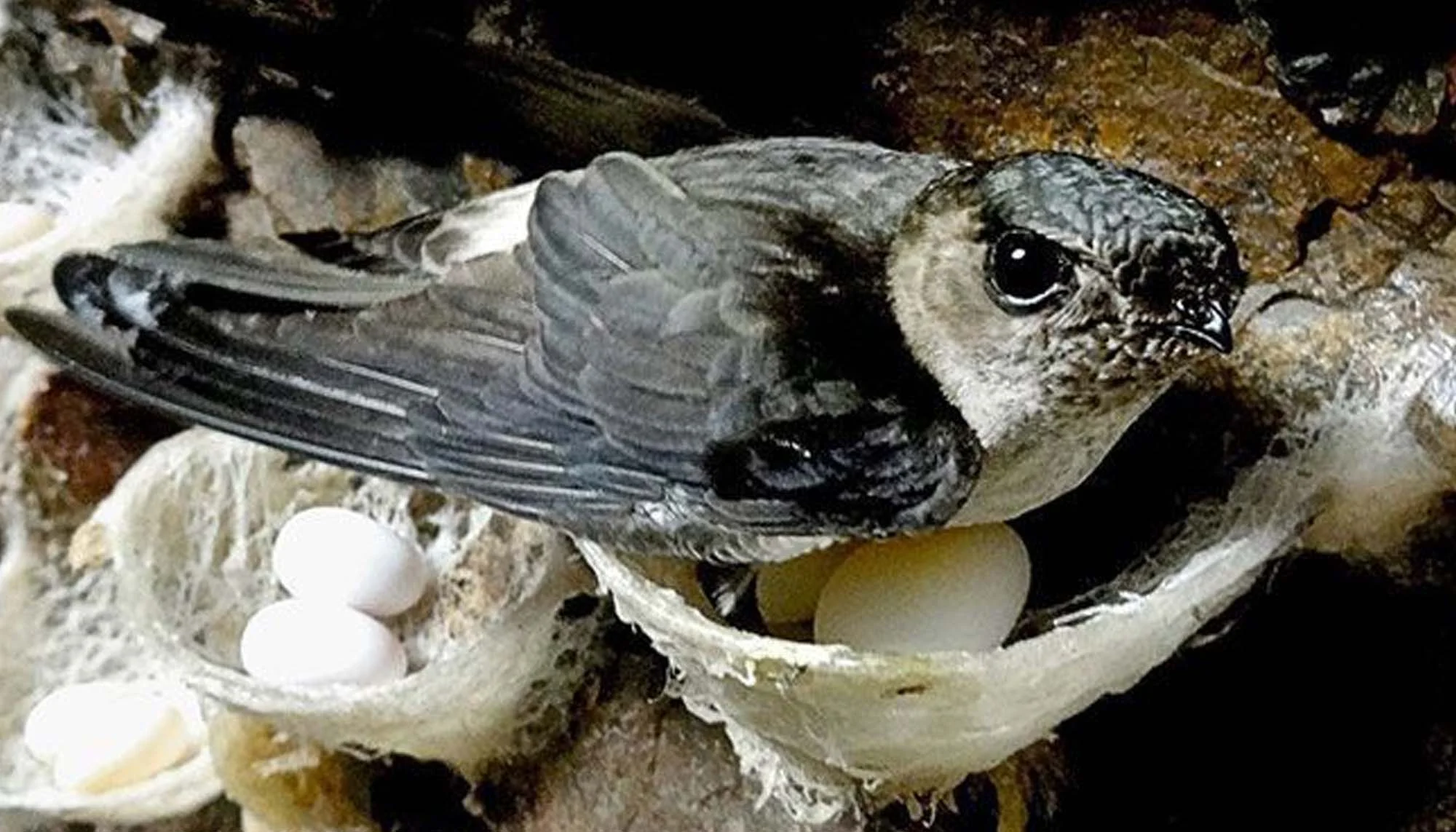
Swiftlets are known as birds with a strong ability to adapt to their environment. In nature, the swiftlet life cycle usually takes place in caves or rock crevices with dark, humid, and low-disturbance conditions. This type of environment plays an important role in supporting reproduction and the survival of swiftlets.
From an ecological perspective, swiftlets are highly dependent on habitat stability, especially the availability of food in the form of flying insects and suitable microclimate conditions.
Stages of the Swiftlet Life Cycle
In general, the swiftlet life cycle consists of several main stages: mating, nest building, egg laying, hatching, chick rearing, and the independent stage.
Research notes that swiftlets usually lay one to two eggs in one reproductive period. The incubation process lasts around 20–23 days, followed by a chick-rearing phase of approximately 40 days before the young birds are able to fly and find food on their own.
The Swiftlet Life Cycle in Nature
In natural habitats, the swiftlet life cycle follows the rhythm of the surrounding environment. Seasonal changes, insect availability, and the level of natural disturbance can influence the success of swiftlet reproduction.
Reports from bird conservation organizations in Southeast Asia indicate that swiftlet populations tend to remain stable in areas with healthy insect ecosystems and low levels of air pollution. This highlights the direct connection between environmental sustainability and the survival of swiftlets.
Adaptation of the Life Cycle in Man-Made Houses
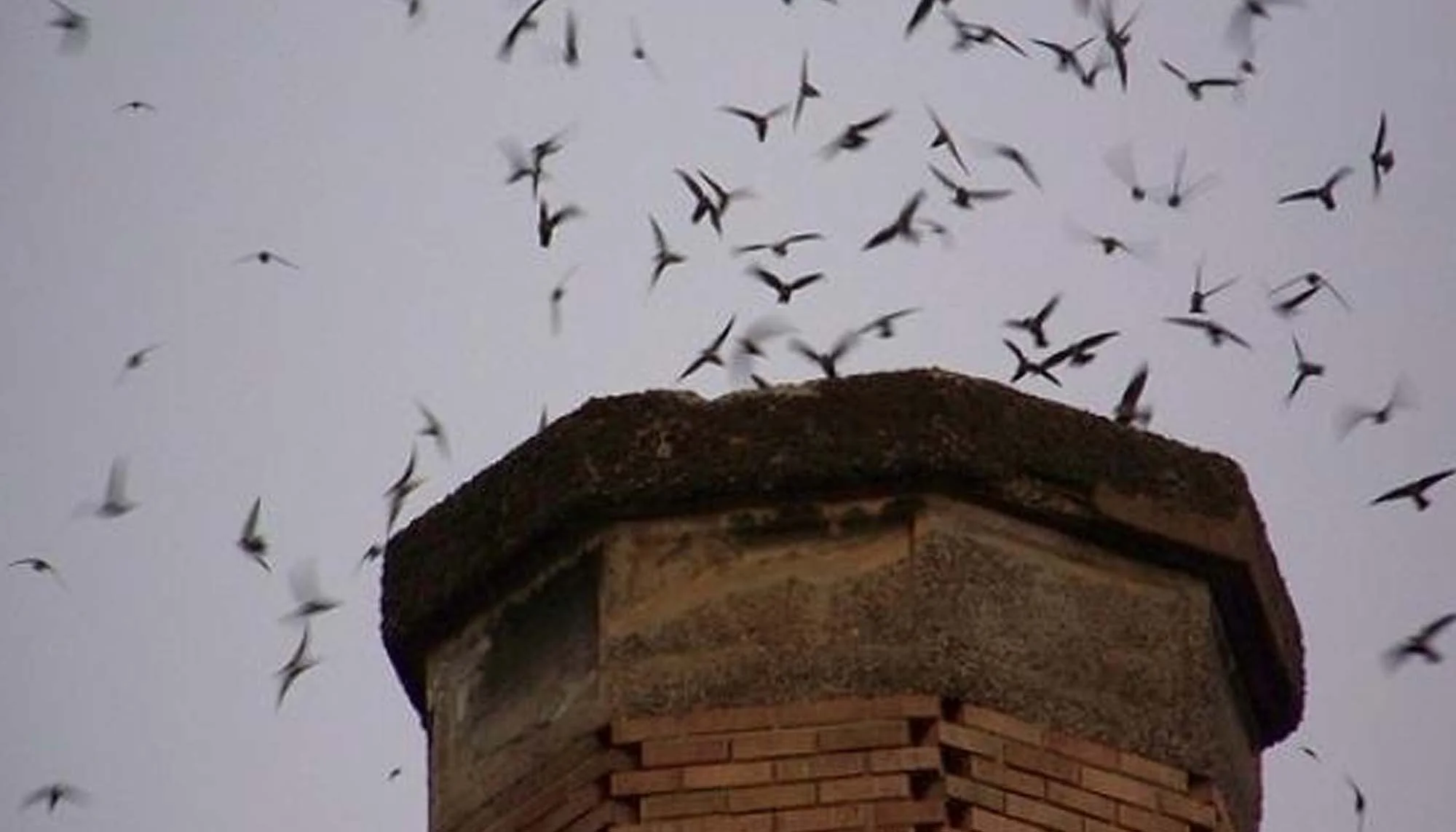
As natural habitats decline, swiftlets have increasingly used man-made buildings designed to resemble cave-like conditions. In swiftlet houses, the swiftlet life cycle generally continues in a relatively similar pattern, as long as temperature, humidity, and light intensity remain supportive.
Studies suggest that swiftlets can adapt to artificial structures without significant changes in their reproductive behavior, provided that the microenvironmental conditions are properly maintained.
Scientific and Conservation Perspectives
Ornithology experts emphasize that the success of the swiftlet life cycle in man-made houses depends greatly on responsible environmental management. According to bird ecology studies, excessive disturbance may cause swiftlets to abandon their nests or reduce hatching success rates.
For this reason, swiftlet house management should consider animal welfare and the balance of the surrounding ecosystem.
Conclusion
The swiftlet life cycle does not fundamentally change between natural habitats and man-made houses. The main difference lies in the quality of the environment provided. In nature, swiftlets depend on ecosystem balance, while in man-made houses, the sustainability of their life cycle is determined by how humans manage the microhabitat conditions.
A science-based and conservation-oriented approach is essential to ensure that swiftlet adaptation in artificial environments remains sustainable.