
Swiftlet Houses as a Social Phenomenon
The presence of swiftlet houses in various regions of Indonesia is not only related to economic activity but has also become a social phenomenon within communities. Public perception of swiftlet houses has developed alongside the increasing interaction between swiftlet farming activities and the daily lives of nearby residents.
In this context, public perception is not singular. It is shaped by direct experience, information received, and the impacts felt in the surrounding environment.
Different Public Perceptions of Swiftlet Houses
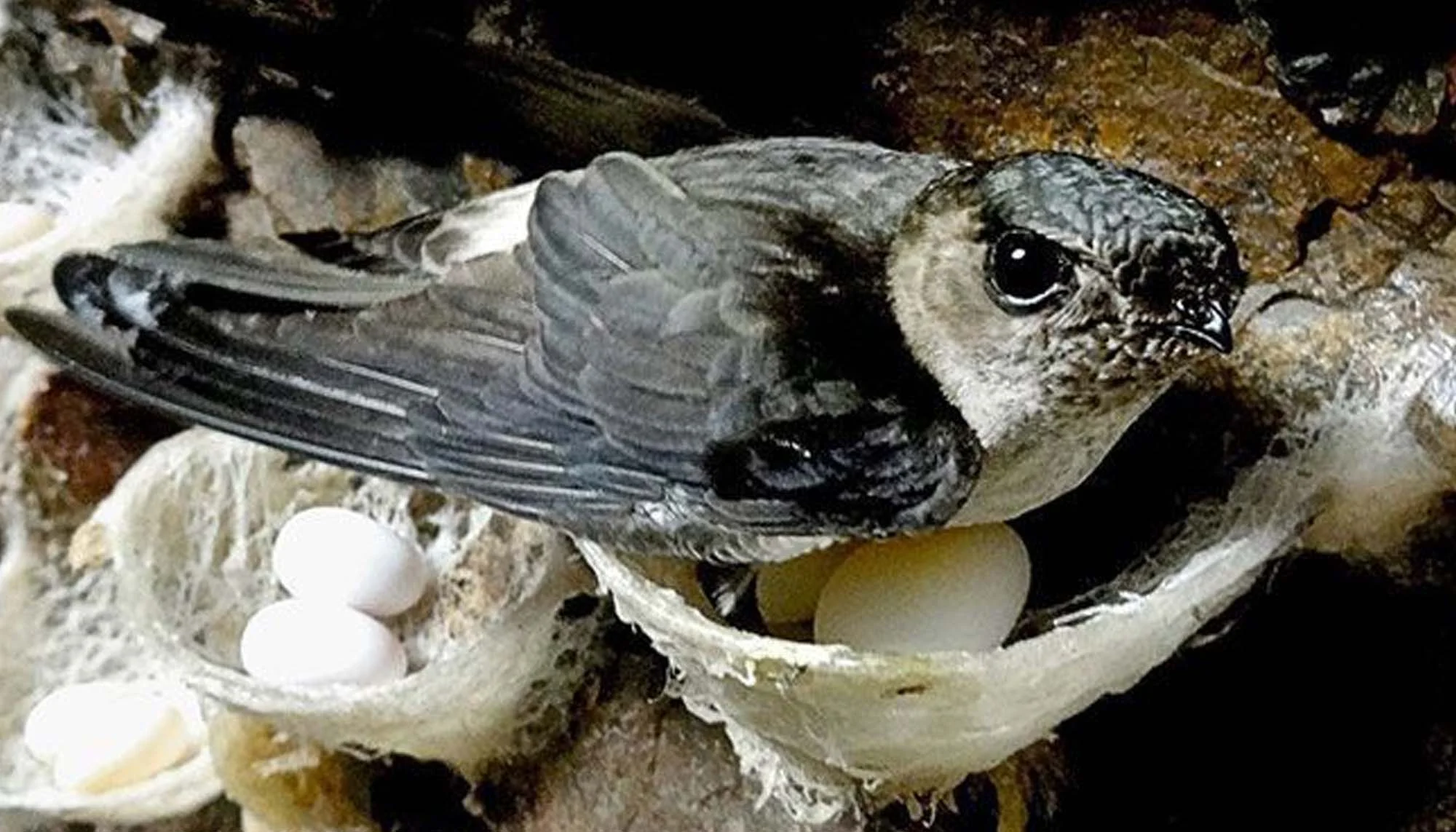
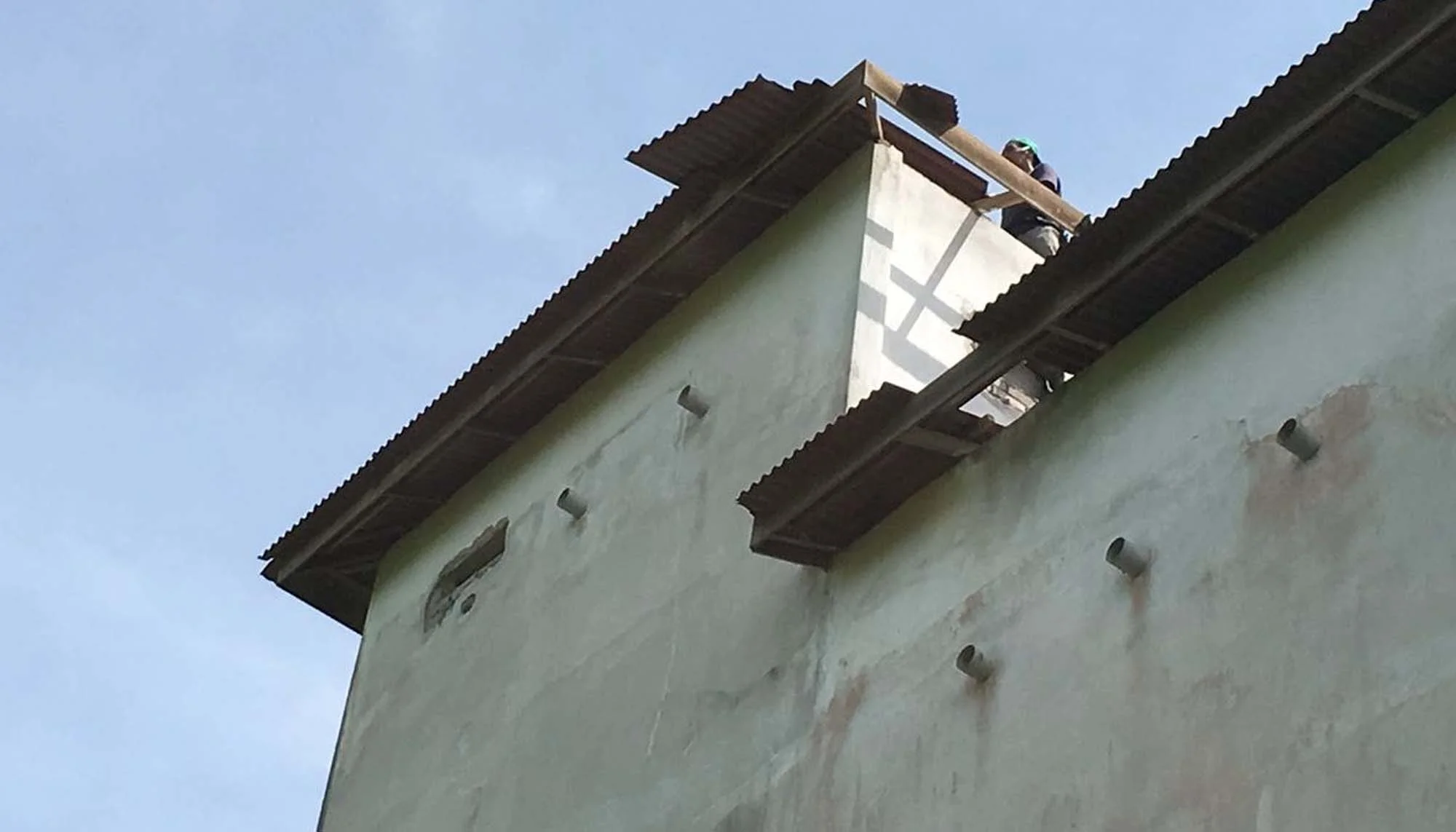
In several regions, public perception of swiftlet houses tends to be positive because they are seen as providing economic benefits and creating new business opportunities. Swiftlet houses are also viewed as a form of adaptation by swiftlets to the decline of their natural habitats.
Research shows that swiftlets can occupy man-made buildings as long as the microclimate conditions support their natural behavior. This finding is often used as a reference in public discussions regarding the existence of swiftlet houses.
Negative Perceptions and Community Concerns
On the other hand, public perception of swiftlet houses is also influenced by impacts experienced by some residents, such as call-sound noise, environmental cleanliness, and building management. Several social studies note that community resistance tends to increase when swiftlet houses operate without proper regulation and adequate communication.
In many cases, the issue is not the swiftlets themselves, but rather the management of swiftlet houses, which may be perceived as not paying enough attention to the surrounding community.
Scientific Views on Public Perception
Environmental researchers emphasize that public perception of swiftlet houses is the result of interactions between social, environmental, and informational factors. Swiftlets are known to be sensitive to disturbances, so improper management may trigger social conflict while also affecting the sustainability of swiftlet occupancy.
Scientific studies also show that stable environmental conditions play an important role in maintaining balance between swiftlet house activities and community life.
The Role of Information in Shaping Perception
Limited public understanding of swiftlet behavior can contribute to negative perceptions. Environmental communication studies suggest that information transparency and dialogue with residents can influence public perception of swiftlet houses, especially in residential areas.
Conclusion
Public perception of swiftlet houses is shaped by a combination of social, environmental, and informational factors. On one hand, swiftlet houses are seen as an economic opportunity and a form of swiftlet adaptation. On the other hand, concerns may arise when their impacts are perceived to disturb community life.
A data-based approach, responsible management, and open communication are key to building a more balanced public perception.