
Why Swiftlets Do Not Nest Randomly
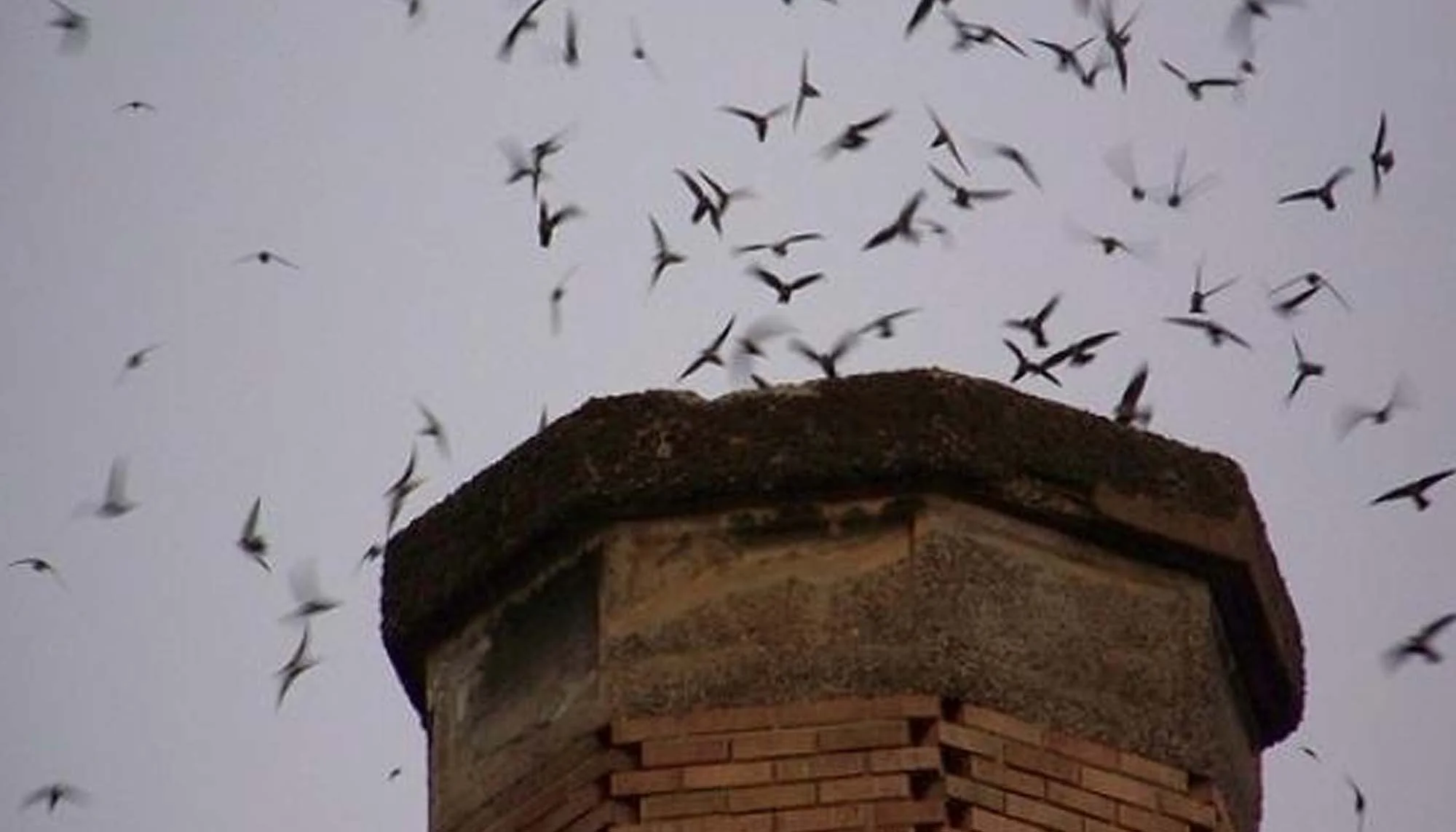
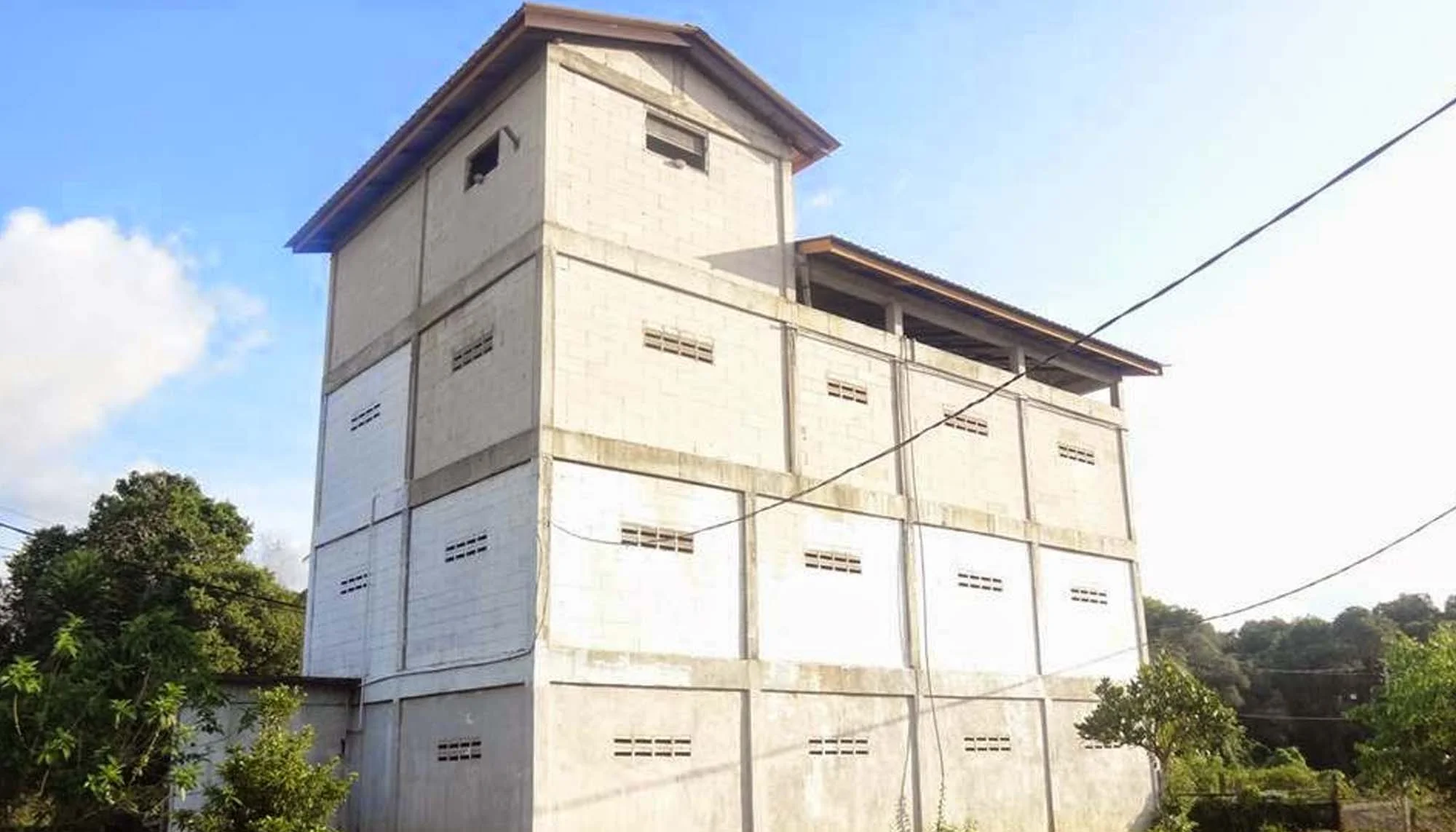
The presence of swiftlet houses in various regions often raises a common question: why do swiftlets choose certain buildings while ignoring others that may look similar? Several studies suggest that swiftlet nesting preferences are influenced by a combination of environmental conditions, building structure, and the level of human disturbance.
Swiftlets are known to be sensitive to habitat changes. Because of this, their adaptation to man-made buildings does not happen randomly.
The Role of Microclimate in Building Selection
Ornithological research shows that swiftlets tend to choose buildings that provide stable microclimate conditions. Studies in Indonesia indicate that swiftlets are more likely to settle in buildings with temperatures around 26–29°C and relatively high humidity, generally above 75%. These conditions support the birds’ comfort and help the natural process of nest formation.
Building Structure and Nesting Safety
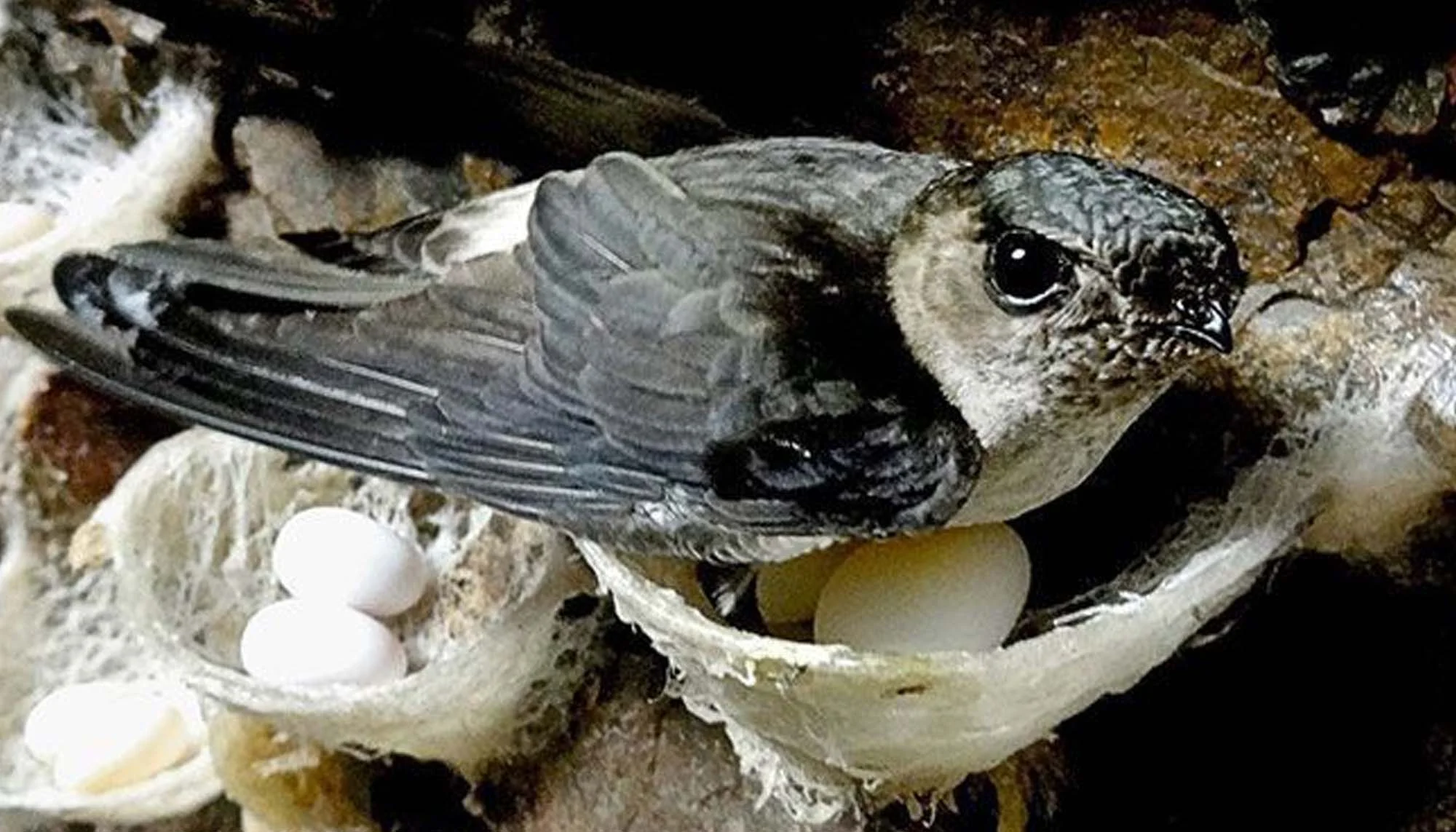
In addition to environmental factors, the physical structure of a building plays an important role. Ceiling surfaces that allow nests to attach properly, relatively high interior spaces, and minimal external disturbance are among the reasons swiftlets choose certain buildings.
Research on nesting preferences also suggests that swiftlets adapt more easily to buildings that resemble natural cave conditions than to open spaces or buildings with high levels of human activity.
Surrounding Landscape and Food Availability
Swiftlets feed on flying insects. Therefore, food availability around the building is an important consideration. Ecological studies show that buildings located near green areas, water sources, or landscapes with high insect populations are more likely to be inhabited by swiftlets.
This factor helps explain why swiftlets may choose one building over another, even when the structures appear similar.
Human Disturbance as a Determining Factor
Noise levels and human activity also influence swiftlet behavior. Field observations show that swiftlets tend to leave locations that experience sudden changes, whether in sound, lighting, or human activity around the area. Based on research findings, environmental stability is one of the key factors that encourages swiftlets to stay in the long term.
Conclusion
Swiftlets do not choose nesting sites by chance. Research shows that swiftlets select certain buildings because of suitable microclimate conditions, appropriate building structures, food availability, and low levels of human disturbance.
This data-based understanding is important so that the phenomenon of swiftlet houses can be viewed more objectively, not only from an economic perspective but also from environmental and animal behavior perspectives.